Indian traditional dress holds a prominent place in India’s cultural fabric, especially when worn by infant boys. Traditional garments transcend mere clothing; they signify identity and community while uniting families and friends together on special occasions. From vibrant designs with intricate stitchwork to styles representing various regions across India’s vast cultural landscape – it all provides a window into India’s rich cultural landscape.
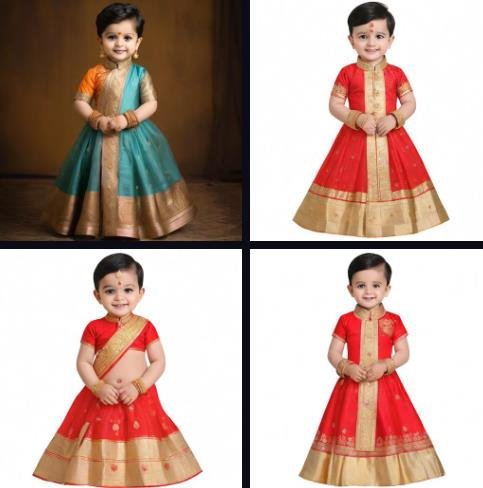
India is home to an array of states and regions with distinct styles and traditions for clothing that embody local craftsmanship and artistry. Garments such as the kurta-pajama, dhoti, and sherwani offer comfort while celebrating heritage – often including stunning embellishments such as rich fabrics or patterns with distinct patterns that help instill cultural pride from an early age.
Traditional dress for baby boys during festivals, weddings and religious ceremonies adds an exciting and joyous element to celebrations. Donning ethnic wear is a tradition-rich way for families to pass down traditions to future generations while strengthening familial bonds as parents and relatives work together in dressing the child in attire that holds cultural significance.
Assembling the perfect traditional outfit for a baby boy is an exciting journey through time and culture, reflecting our appreciation of its impact in India society and instilling values of heritage and identity into everyday lives. Wearing traditional wear creates memories for generations and marks each special event as a time to commemorate it’s significance in their lives.
Popular Types of Ethnic Wear for Baby Boys
When it comes to Indian traditional dress for infants and toddlers, various styles stand out as being particularly significant culturally and aesthetically. Popular options for this attire are kurta-pajama sets, dhoti-kurta combinations and sherwanis as they each bring something special and charming to ethnic attire for infants and toddlers.
The kurta-pajama ensemble for boys is one of the best-known traditional Indian garments for children, typically consisting of a knee-length tunic known as the kurta and comfortable bottoms known as pajama. Often featuring intricate embroidery or embellishment details, making this outfit suitable for weddings, festivals and family gatherings as well as quick dressing and undressing times for dressing/undressing quickly and without fuss. Parents appreciate not only its style but also its practicality and ease in terms of dressing/undressing quickness/fusability!
Next, dhoti-kurta combos make an impressive statement at cultural celebrations. A traditional waist-wrapping garment called a dhoti offers both comfort and freedom of movement for active young boys, which makes this outfit suitable for events like Diwali or traditional ceremonies. When combined with accessories like traditional turbans or mojaris they make these young ones appear especially dapper!
Sherwanis are an elegant way to turn any baby boy into a miniature prince, often featuring a longer tunic paired with either churidar pants or similar tailored trousers. Perfect for grand events like weddings, this ethnic wear offers both style and sophistication; appealing to parents looking for formal options like weddings. Accessorizing with matching stoles or embellished juttis further elevates this ensemble and ensures it stands out.
Overall, baby boy ethnic wear not only represents their cultural roots but also provides comfort that allows them to explore and play freely.
Finding Clothing Fit to Age
Selecting traditional dress for baby boys aged one can be a challenging endeavor, particularly given their rapid development at this stage. Therefore, taking measurements such as chest, waist and length before purchasing can assist you in selecting apparel that accommodates their growing bodies properly. Manufacturer sizing charts may provide additional help ensuring an accurate purchase experience and timely and precise fitment of an order.
Comfort should always be top of mind when selecting ethnic wear for active babies. Traditional dresses, such as kurta sets or dhotis, should allow for ample movement. Look for fabrics that are gentle against skin while offering enough stretch – particularly around waist area. Furthermore, look out for features like elastic bands or adjustable waistlines which may aid diaper changes while making wearing easier and ensure hassle-free wearability.
When shopping online, it is crucial to read product descriptions carefully. Focusing on details regarding fit, fabric composition and care instructions can often help make an informed choice about a suitable outfit. Be mindful of return policies in case the outfit doesn’t fit as anticipated – customer reviews provide insights into actual comfort levels of products allowing an informed purchase decision.
Make sure to consider that sizing may differ depending on the traditional attire chosen; for instance, a kurta may fit differently than a sherwani and therefore it is essential that measurements and indices are thoroughly cross-checked prior to finalizing any purchase decision – this will ensure that your baby boy looks stylish without compromising comfort or mobility.
Baby Boy Ethnic Wear
In recent years, the landscape of baby boy ethnic wear has experienced tremendous transformation, reflecting a successful merging between traditional craftsmanship and contemporary design sensibilities. Modern designs are increasingly incorporating traditional elements, creating a distinct aesthetic which meets parents’ demands while honoring cultural roots. This trend can be seen with items like kurtas, dhotis, and sherwanis being reinvented to suit younger generations’ preferences.
Baby boy ethnic wear fabrics have grown increasingly diverse over time, with designers opting for soft yet breathable materials that offer maximum comfort for young children. Cotton, silk blends and lightweight khadi have become popular choices that ensure durability as well as ease of movement for their wearers. Focusing on comfort without compromising style has proven popular; parents appreciate outfits that not only look good but feel good too – eco-friendly fabrics have also gained ground among environmentally aware consumers.
Color palettes have also undergone dramatic change over the years, shifting away from vibrant to more muted hues like royal blue, rich maroon and sunny yellow in favor of pastel tones for various occasions. Seasonal trends often influence their popularity; for instance during festive times jewel tones may become popular while lighter hues tend to gain popularity during warmer months.
Fashion designers and social media influencers have had a dramatic effect on the market for baby boy ethnic wear. Now more than ever before, parents look to social media for ideas of ethnic outfits for their little boys to wear; popular figures often showcase unique takes on traditional garments that inspire parents. This exposure has caused demand to surge for stylish yet unique ethnic clothing for baby boys to represent cultural heritage while reflecting modern aesthetics.
Dressing Your Baby Boy in Traditional Wear Donning traditional Indian attire can be an enjoyable and memorable experience, especially during special cultural occasions that merit special clothing. Festivals, weddings, birthday celebrations, and various cultural gatherings present ample opportunities for children to don ethnic garb and honor tradition and celebrate heritage by dressing correctly on such special events.
Festivals provide families an opportunity to come together and celebrate joy and spirituality. Celebrations like Diwali, Eid and Holi can be enhanced by wearing colorful traditional garments which create an inviting festive environment. Donning outfits like kurtas or dhotis not only helps foster cultural pride early on, but can help build memories as families engage in time-honored rituals together.
Weddings provide another fantastic opportunity for dressing a baby boy in ethnic wear. Indian weddings, which often span several days and include intricate ceremonies with unique dress codes such as mehndi, sangeet and actual ceremony attires such as elegant silk kurtas or finely crafted sherwanis for guests to wear, offer another wonderful chance for young boys to celebrate these moments of happiness in traditional Indian attires that represent values such as respect and celebration in Indian culture.
Milestone celebrations such as first birthdays or naming ceremonies often incorporate cultural customs that call for traditional attire, marking an eventful milestone and inviting family traditions into play. Wearing ethnic wear helps families strengthen ties to their roots while honoring heritage while imparting valuable lessons about culture and identity to future generations.
Understanding when it is appropriate to dress a baby boy in traditional garments is vital for strengthening cultural connections and commemorating life’s milestones. Festivals or weddings provide a special opportunity to embrace traditions while enhancing celebration through meaningful attire.
Care of Traditional Baby Boy Clothes
Caring for traditional clothing worn by baby boys requires special consideration. Such garments often hold cultural significance and are constructed of delicate fabrics, so proper maintenance of them requires following specific washing instructions from their care labels. Hand washing is always best to minimize agitation that could harm delicate fabric fibers while using a mild detergent free from harsh chemicals to preserve colors and textures while machine washing should use a gentle cycle with mesh laundry bags to reduce snagging issues.
When it comes to drying clothes, avoid direct sunlight as this can cause fading. Instead, place them flat on a clean and dry towel in a shaded area and allow them to air dry naturally. Ironing may be necessary in order to keep garments looking crisp; use low temperature settings when ironing fabrics like silk or cotton blends that need special handling while pressing. Always inspect any decorative embroidery to prevent further damage when pressing.
Storing is of vital importance when it comes to preserving traditional baby boy clothes. Fold them neatly and store in a cool, dry location away from direct sunlight for best results. Acid-free tissue paper may help prevent creasing. Also consider moth repellents like cedar balls or lavender sachets as mothproofing measures for your garments; rotating periodically will ensure their shape and protect from any fade or wear-and-tear damage. With proper care practices like these in place, your little ones’ outfits will remain beautiful well into future generations’ appreciation!
Where Can Parents Purchase Ethnic Wear for Baby Boys
Parents have many choices available when it comes to dressing their little boys in traditional Indian clothing. Ethnic wear can be found both physically in stores as well as online marketplaces; shopping can even become fun! With such a range of choices offered by specialty retailers.
India boasts many online platforms dedicated to selling ethnic wear for baby boys. Amazon, Flipkart and Myntra offer an assortment of kurta sets, dhotis and sherwanis suitable for young children; additional ethnic wear stores such as Biba, Fabindia and Kraftangan offer high-quality garments made using traditional craftsmanship and materials with grand and intricate designs that celebrate Indian culture and heritage.
Parents shopping online for ethnic clothing should read customer reviews carefully when purchasing ethnic garments, as these often provide insight into quality, fit, and comfort of each piece. Also important when buying online: taking note of flexible return policies on these websites so that if an outfit does not fit as expected or meets expectations they can exchange or return it without hassle or headache.
Add accessories that add authenticity and authenticity when dressing baby boys ethnically for festivals or family gatherings, such as traditional footwear, caps or jewelry such as dhoti pins to create an authentic cultural representation. Furthermore, high-quality fabrics should ensure babies can move freely while in their national attire – this will not only keep them comfortable but will ensure an enjoyable festival or gathering experience!
Customization and Personalization Options
Recently, there has been an emerging trend towards customizing Indian traditional dress for baby boys, reflecting an increasing desire by parents seeking distinct outfits that not only represent their cultural heritage, but also capture individuality of their child. Customization extends far beyond simply choosing colors and fabrics; rather it encompasses outfits designed specifically to celebrate significant moments in his life such as milestone birthdays.
Comparing off-the-rack options to tailored outfits reveals several striking differences. Off-the-rack apparel offers convenience and variety, but often lack the personalized touch and precise fit of tailored attire. Tailored garments, made especially to meet specific measurements and preferences of baby boys’ comfort and style are prioritized whereas off-the-rack options do not afford this opportunity to select higher-grade materials that can enhance its aesthetic and durability.
Personalizing clothing includes adding distinct elements like motifs, embroidery designs and initials that reflect family heritage or beliefs. Parents often incorporate cultural symbols or personal motifs that represent cultural or religious identities or personal preferences into embroidery patterns that depict meaningful designs – whether floral designs, geometric motifs or traditional themes. Furthermore, adding initials personalizes an outfit while commemorating special milestones such as birthdays, festivals or family gatherings.
This tailored approach to clothing makes keepsakes that will be treasured keepsakes for years to come, imbuing every outfit with sentimental value and personal meaning. By blending individualism and cultural significance in these personalized traditional garments, heritage parenting meets modern parenting – ensuring Indian traditional dress for baby boys will not only be celebrated today but cherished into the future as well.
Conclusion: Celebrating Heritage Through Fashion
Once we consider the significance of traditional Indian dress for baby boys, it becomes apparent that selecting such attire is more than simply fashion statement; it serves to honor and commemorate one’s cultural heritage by passing down values and traditions through generations thereby safeguarding valuable cultural legacies.
Parents have many choices when it comes to dressing their baby boys in traditional Indian wear, from charming kurta-pyjama sets adorned with beautiful embroidery and vibrant colors to more formal sherwanis that showcase an aspect of Indian culture. Dhoti with traditional angavastram offers another culturally rich option that allows baby boys to experience historical fashions; each piece plays a vital part in instilling identity and continuity for children.
Parents who embrace traditional Indian attire not only celebrate their roots but also create lasting memories with their children by donning culturally significant clothing themselves, but they also infuse culture into familial relationships by encouraging children to wear traditional Indian apparel and appreciate its rich traditions and the diversity of our society. By encouraging children to wear traditional Indian clothes they contribute not only to celebrating heritage and creating lasting impressions for later on but also foster pride in heritage while showing appreciation of diversity that makes up society as whole.
Investment in traditional clothing for baby boys is more than aesthetic; it fosters cultural appreciation. By sharing and celebrating one’s culture through fashion, we foster lifelong understanding of our roots while protecting future generations’ heritage.